CityData's Top 21 Peaks and Valleys Bucket List


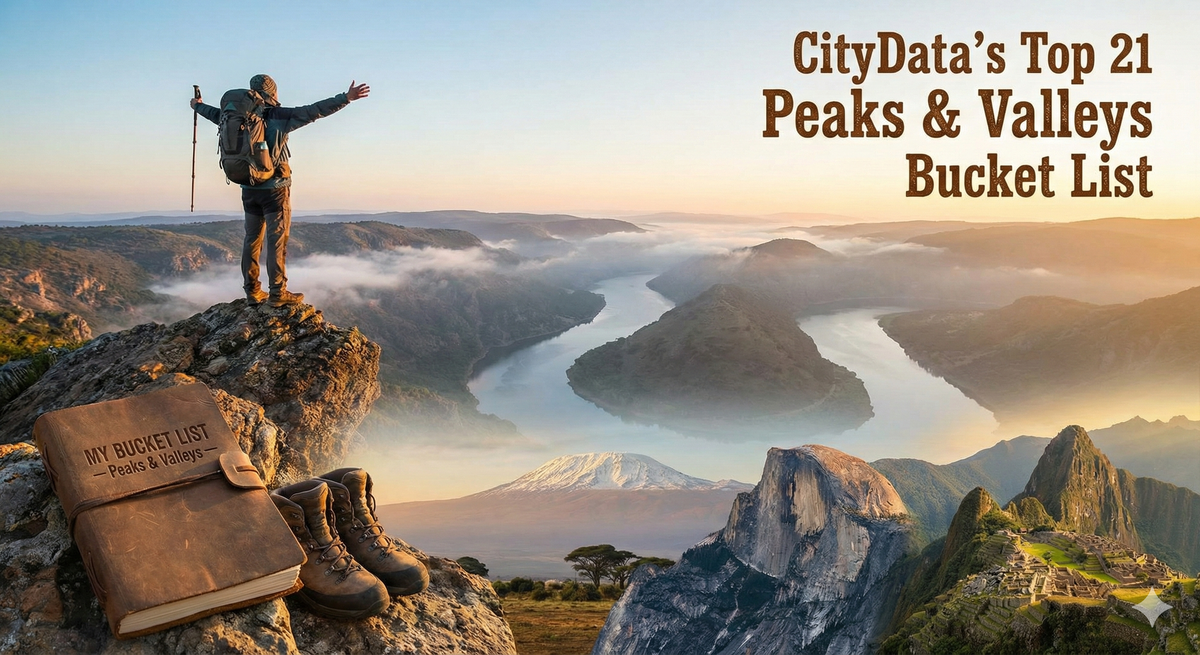
The Ultimate Guide to the World’s Most Epic Highs and Lows
If you are reading this, you probably have an itch that only a pair of worn-in hiking boots and thin mountain air can scratch. We’ve all seen the standard travel brochures, but at CityData, we believe the best views aren't just seen—they are earned.
We’ve curated the ultimate bucket list for the adventurer’s soul: 21 of the world’s most spectacular peaks to scale and valleys to cross. From the granite cathedrals of Yosemite to the Inca trail in Peru, these are the destinations that define an outdoor life well-lived.
To inspire you further, we’ve included special notes from our own CEO, Apurva Kumar, who has personally tested his mettle on some of the toughest trails on this list.
Ready to lace up? Let’s climb.
1. Half Dome (Yosemite National Park, USA)
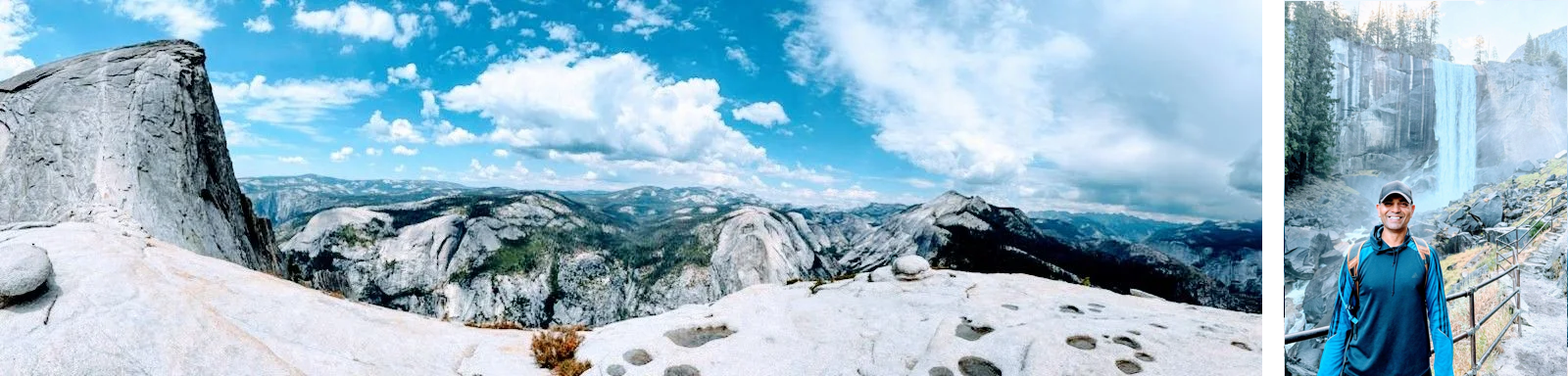
There is no granite monolith more iconic than Half Dome. Rising nearly 5,000 feet above Yosemite Valley, it looks impossible to climb from the bottom—a sheer face of rock that commands respect. But for those brave enough to tackle the "Cables," the reward is a view that John Muir himself struggled to describe. It is a rite of passage for any serious hiker. CityData CEO Apurva Kumar summited Half Dome in 2025, describing the final ascent up the cables as "a vertical test of will where the only way is up, and the view makes every trembling step worth it."
- Elevation Gain: ~4,800 ft (1,463 m)
- Total Distance: 16-18 miles (25–29 km) round trip
- Time to Complete: 12–14 hours
- Best Time of Year: Late May to Early October (when cables are up)
- Annual Attempts: ~50,000 (limited by permits)
- Risk Rating: High. The cable section is dangerous; slip-and-fall accidents can be fatal.
2. Grand Canyon Rim-to-Rim (Arizona, USA)
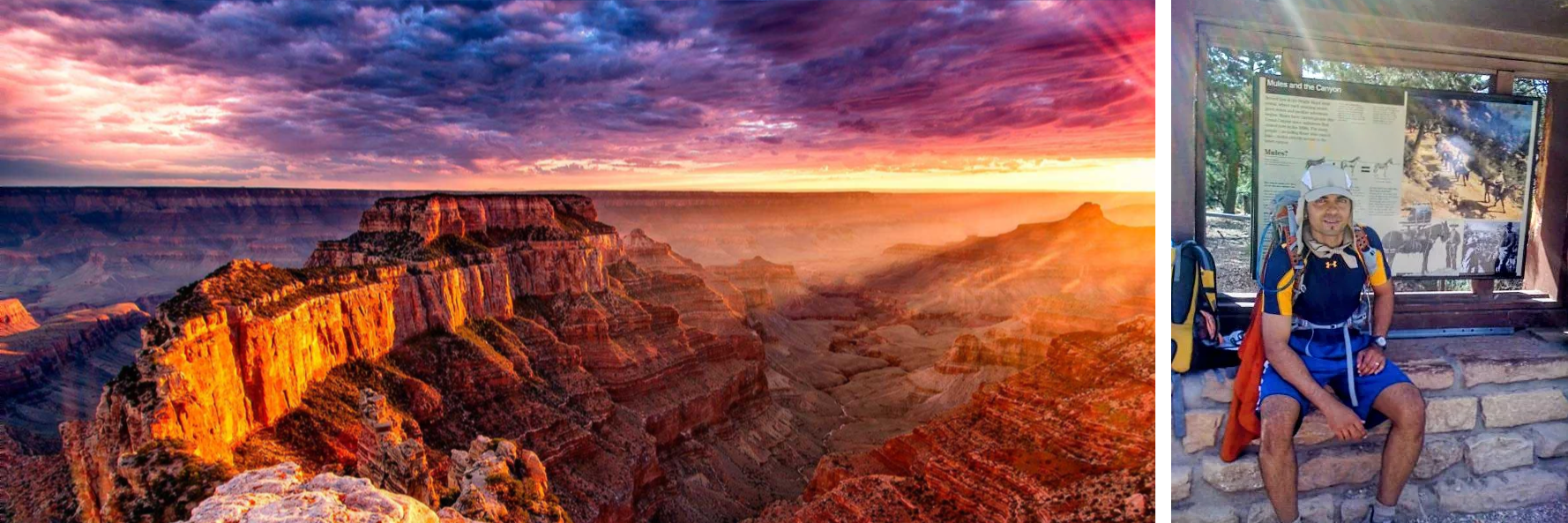
Most visitors stand on the rim, take a selfie, and leave. But the true majesty of the canyon is found in its belly. Crossing from rim to rim is a geological time travel experience, descending through layers of earth that predate the dinosaurs. The heat is intense, the scale is humbling, and the climb out is relentless. Apurva Kumar completed this legendary trek in 2009, hiking from the South Rim, down through the valley floor, crossing the Colorado River, and powering up the North Rim—a feat of endurance that he credits as a formative outdoor experience.
- Depth/Elevation Change: ~5,000 ft down, ~6,000 ft up
- Total Distance: 24 miles (38 km) one way
- Time to Complete: 12–15 hours (extreme day hike) or 2–3 days (backpacking)
- Best Time of Year: May–June or September–October (avoid mid-summer heat)
- Annual Attempts: ~1% of the park's 5 million visitors enter the canyon; fewer do Rim-to-Rim.
- Risk Rating: High. Heat exhaustion and dehydration are major risks.
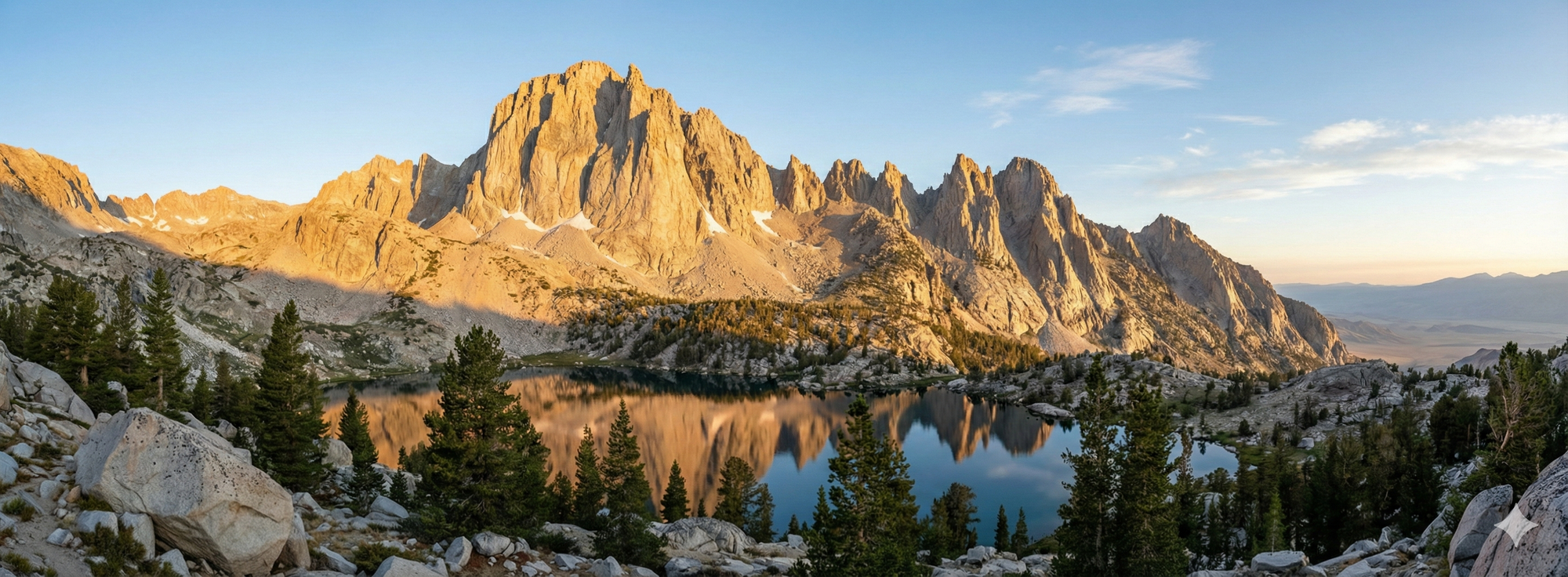
3. Mount Whitney (California, USA)
Standing as the highest point in the contiguous United States, Mount Whitney is the crown jewel of the Sierra Nevada. The trail is a grueling, lung-busting slog that takes you through alpine meadows and rocky switchbacks (99 of them, to be exact) before reaching the "roof of America." It’s a savage beauty where the air is thin, but the bragging rights are heavy.
- Elevation Gain: ~6,100 ft (1,860 m)
- Total Distance: 22 miles (35 km) round trip
- Time to Complete: 12–16 hours (day hike) or 2 days
- Best Time of Year: July to September
- Annual Attempts: ~30,000 (Permit Lottery)
- Risk Rating: Moderate. Altitude sickness is the primary danger; trail is well-defined.
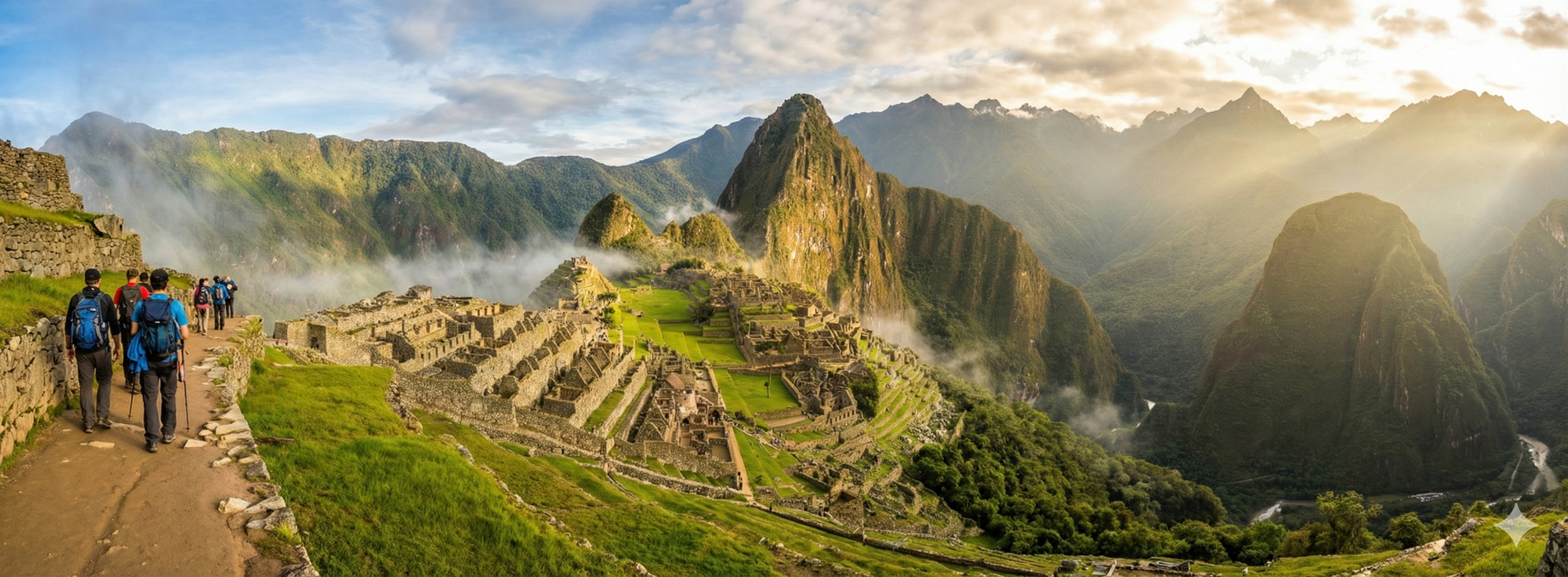
4. Machu Picchu via Inca Trail (Peru)
This isn't just a hike; it's a pilgrimage. Walking the ancient stone paths laid by the Incas centuries ago, you traverse cloud forests and high alpine passes (including the breathless "Dead Woman’s Pass") before descending into the Sun Gate. Seeing the lost city of Machu Picchu reveal itself through the morning mist is arguably the greatest reveal in the world of travel.
- Elevation Gain: Peaks at 13,828 ft (4,215 m)
- Total Distance: 26 miles (42 km)
- Time to Complete: 4 days / 3 nights
- Best Time of Year: May to September (Dry season)
- Annual Attempts: Strictly capped at 500 people/day (including porters)
- Risk Rating: Moderate. Altitude affects many; track is rugged but well-supported.
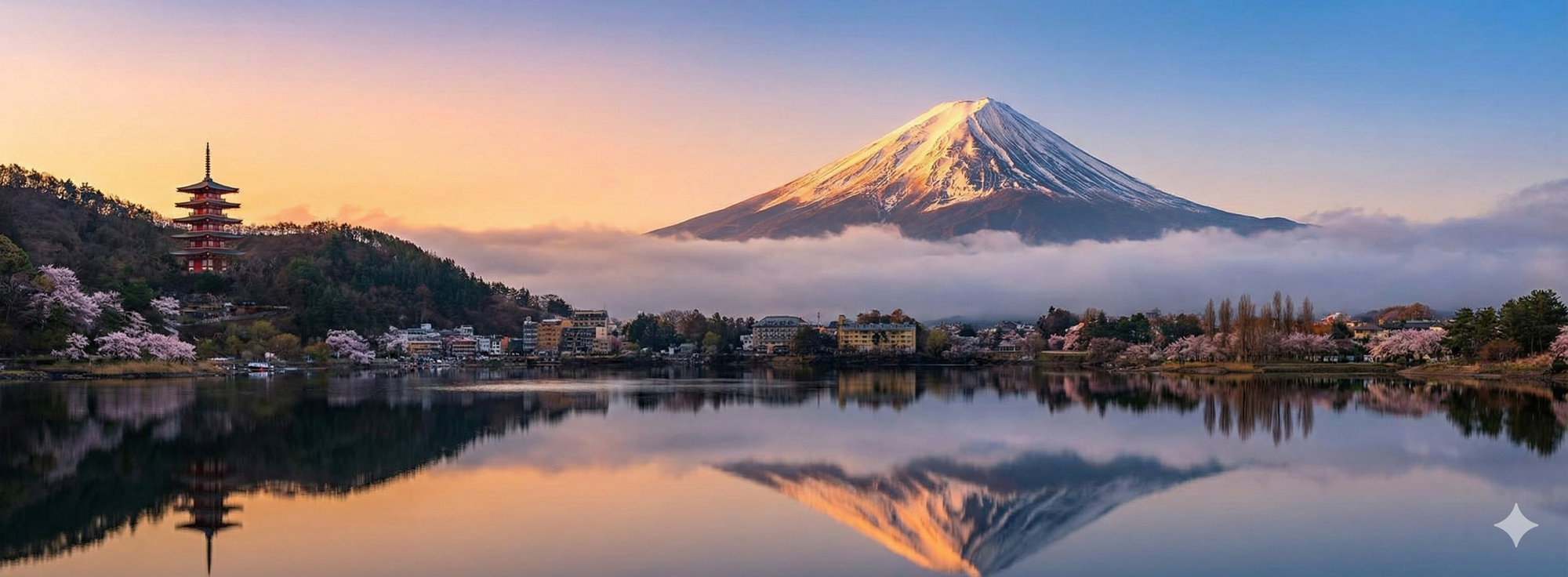
5. Mount Fuji (Japan)
"A wise man climbs Fuji once. A fool climbs it twice." This Japanese proverb sums up the experience perfectly. It is a grueling, ash-covered ascent, often done overnight to witness Goraiko (the arrival of light) from the summit. Watching the sun rise above the sea of clouds from the top of Japan is a spiritual experience that washes away the fatigue of the climb.
- Elevation Gain: ~4,900 ft (1,500 m) from 5th Station
- Total Distance: ~9 miles (14.5 km) round trip
- Time to Complete: 5–8 hours up, 3–5 hours down
- Best Time of Year: July to early September
- Annual Attempts: ~300,000
- Risk Rating: Low/Moderate. Altitude sickness and hypothermia are real risks, but the path is very populated.
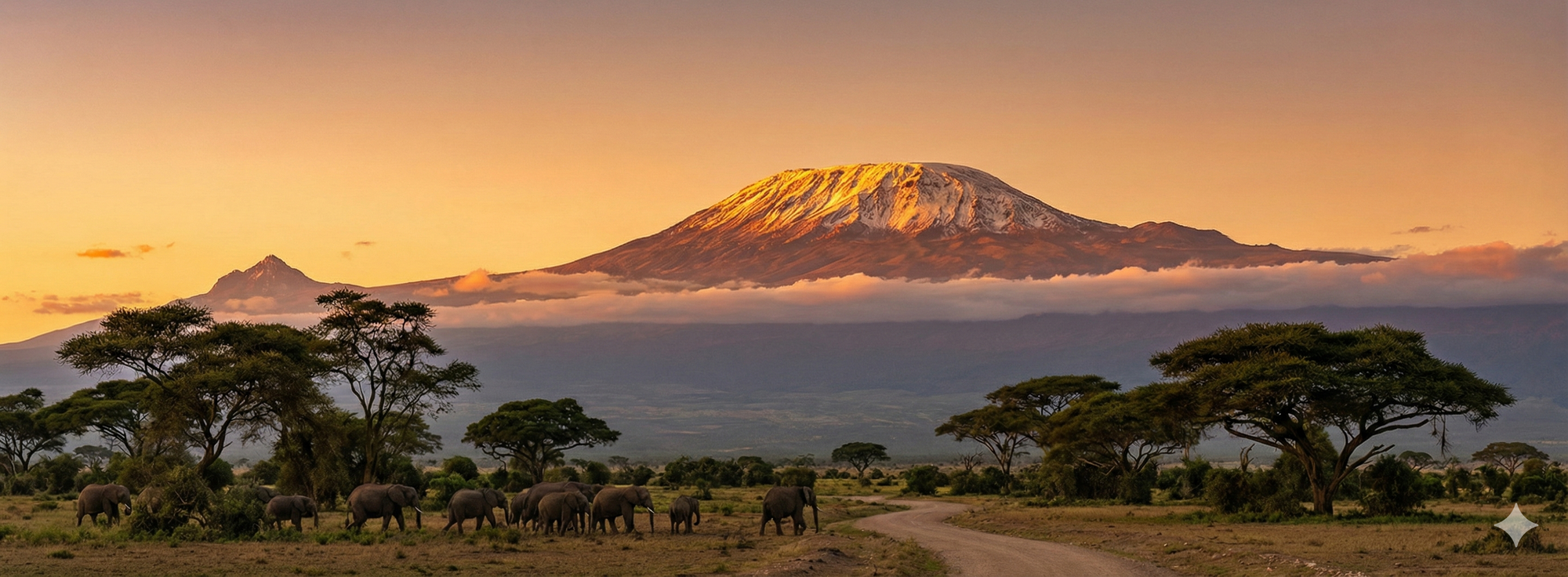
6. Mount Kilimanjaro (Tanzania)
The "Roof of Africa." Kilimanjaro is the tallest freestanding mountain in the world, rising from the hot savannahs of Tanzania into a world of ice and glaciers. It is one of the few "Seven Summits" that can be climbed without technical mountaineering gear, making it the ultimate bucket list peak for ambitious trekkers. The feeling of standing at Uhuru Peak is unmatched.
- Elevation Gain: ~13,000 ft (4,000 m) ascent depending on route
- Total Distance: 37–56 miles (60–90 km) depending on route
- Time to Complete: 5–9 days
- Best Time of Year: January–March or June–October
- Annual Attempts: ~30,000–50,000
- Risk Rating: Moderate/High. Altitude sickness prevents ~40% of climbers from reaching the top.
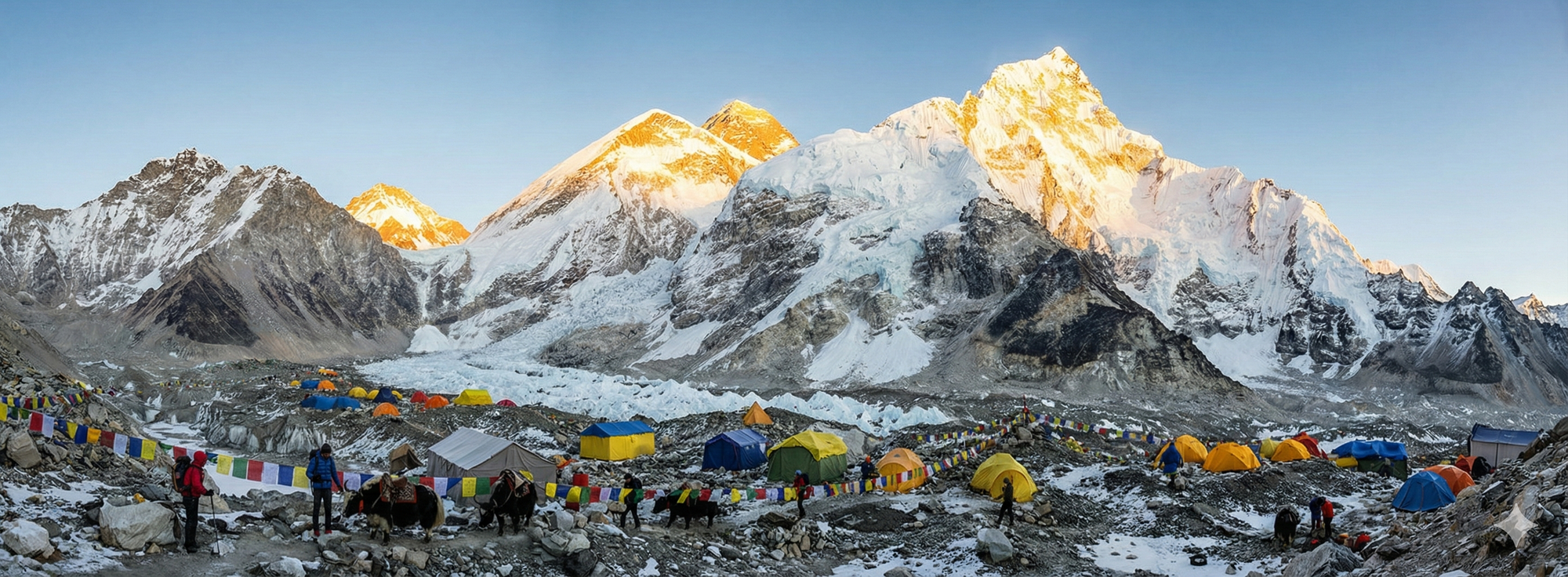
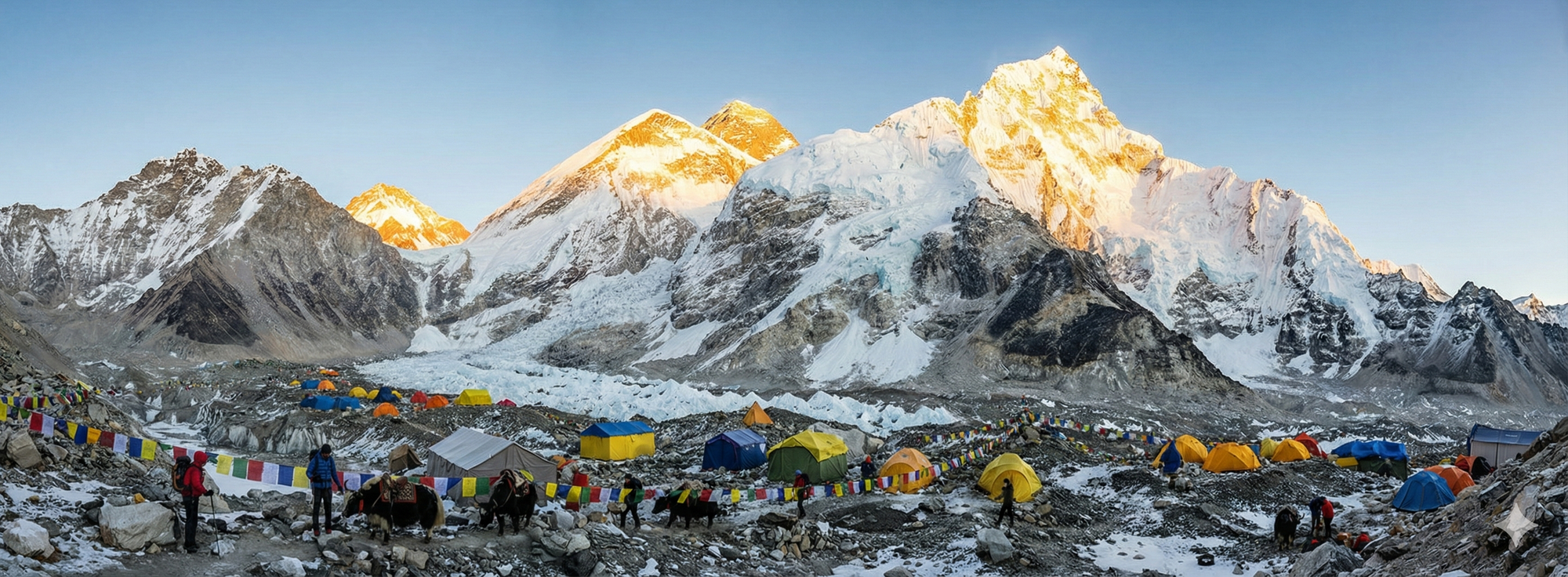
7. Everest Base Camp (Nepal)
You don't have to summit Everest to experience the magic of the Himalayas. The trek to Base Camp is a journey through Sherpa culture, prayer wheels, and suspension bridges adorned with flags. Standing at the foot of the world's highest mountain, watching expeditions prepare for the summit push, connects you to the history of human endurance.
- Elevation Gain: End point is 17,598 ft (5,364 m)
- Total Distance: ~80 miles (130 km) round trip
- Time to Complete: 12–14 days
- Best Time of Year: March–May or September–November
- Annual Attempts: ~40,000
- Risk Rating: Moderate. Altitude is the main killer; requires slow acclimatization.
8. Angels Landing (Zion National Park, USA)
Often voted one of the scariest hikes in America, this trail is not for those with vertigo. The final half-mile involves a knife-edge ridge with chains bolted into the rock and 1,000-foot drop-offs on both sides. It’s sheer adrenaline, and the view of Zion Canyon from the landing is heavenly.
- Elevation Gain: 1,488 ft (453 m)
- Total Distance: 5.4 miles (8.7 km)
- Time to Complete: 4–5 hours
- Best Time of Year: Spring and Fall
- Annual Attempts: ~300,000 (Permit required)
- Risk Rating: High. Fatal falls occur; extreme caution required.
9. The Narrows (Zion National Park, USA)
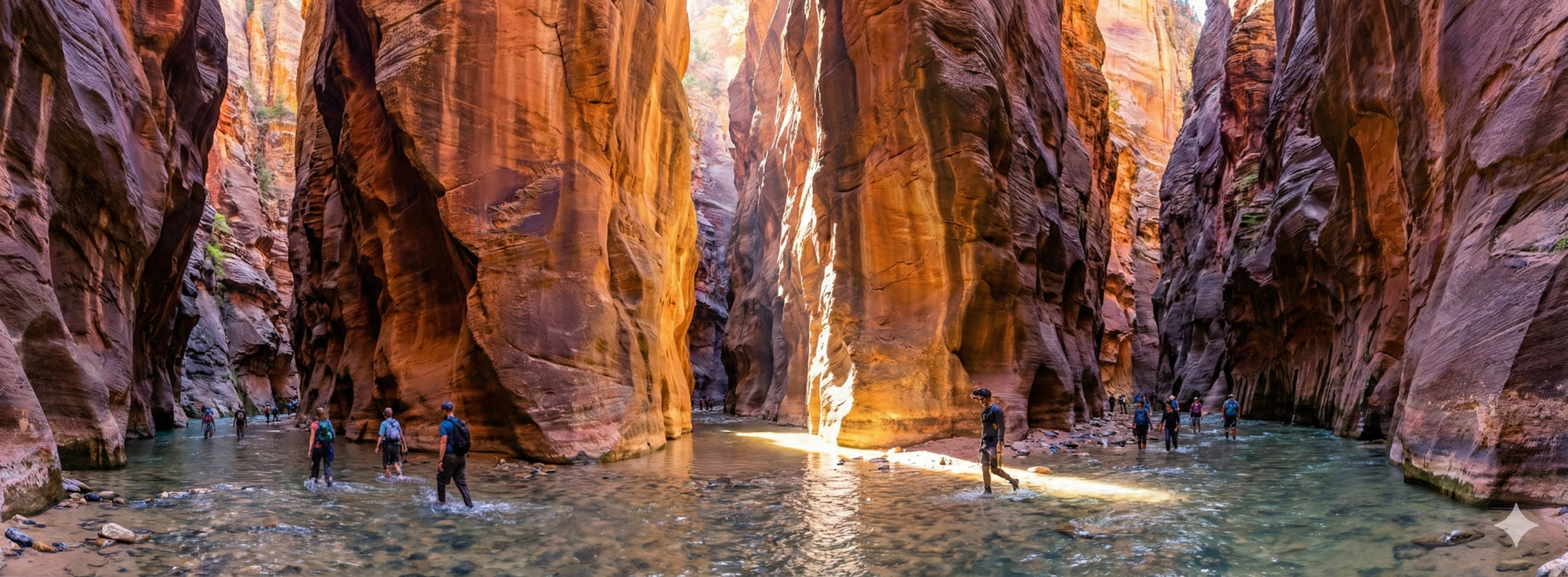
The Narrows is the quintessential slot canyon hike. You don't hike along the river; you hike in it. Walking upstream through the Virgin River, with walls towering a thousand feet above you and closing in to just twenty feet wide, is a surreal, immersive experience.
- Depth: Canyon walls up to 1,000 ft high
- Total Distance: up to 16 miles (26 km); most do 5–10 miles
- Time to Complete: 6–10 hours
- Best Time of Year: Late Spring/Summer (warm water, low flow)
- Annual Attempts: Very popular; thousands per season.
- Risk Rating: Moderate. Flash floods are lethal; check weather religiously.
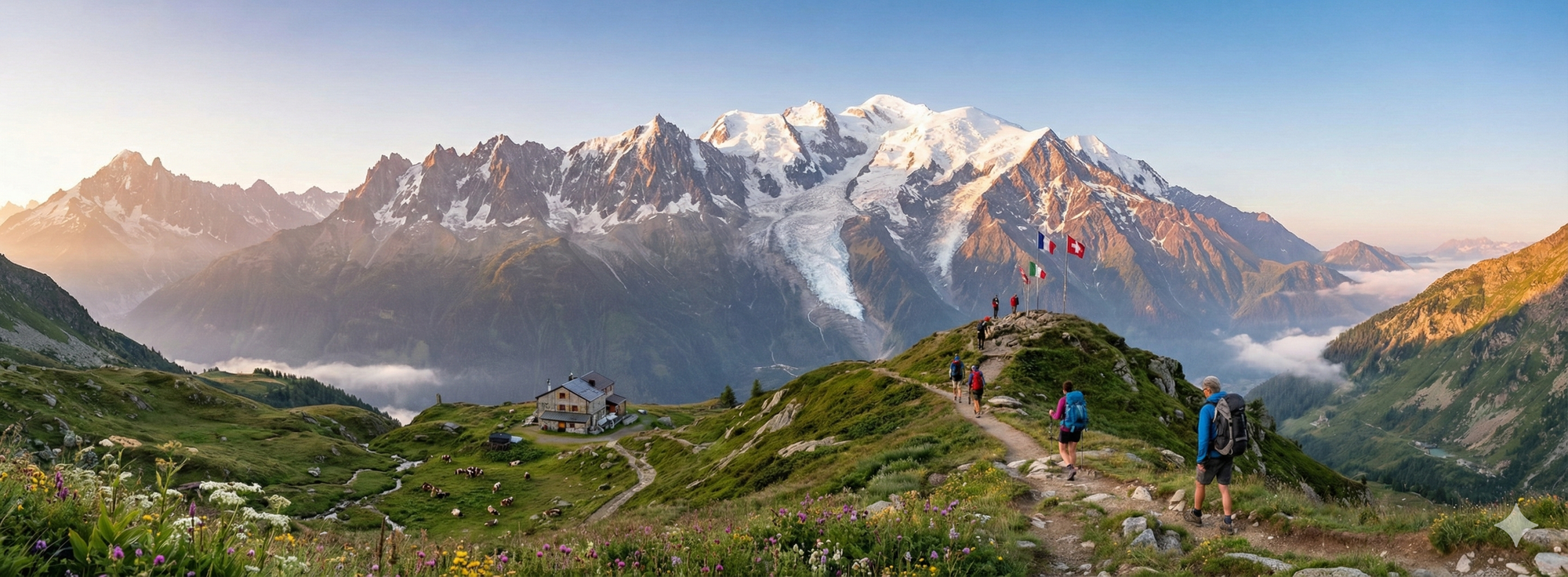
10. Tour du Mont Blanc (France/Italy/Switzerland)
Why see one country when you can walk through three? This loop around the Mont Blanc massif offers the finest alpine scenery in Europe. You’ll indulge in French cheese, Italian coffee, and Swiss chocolate—all powered by your own two legs. It is the definition of "civilized trekking."
- Elevation Gain: ~32,800 ft (10,000 m) cumulative
- Total Distance: ~105 miles (170 km) loop
- Time to Complete: 7–11 days
- Best Time of Year: July to September
- Annual Attempts: ~10,000 complete the full loop
- Risk Rating: Low/Moderate. Physically demanding but technically safe.
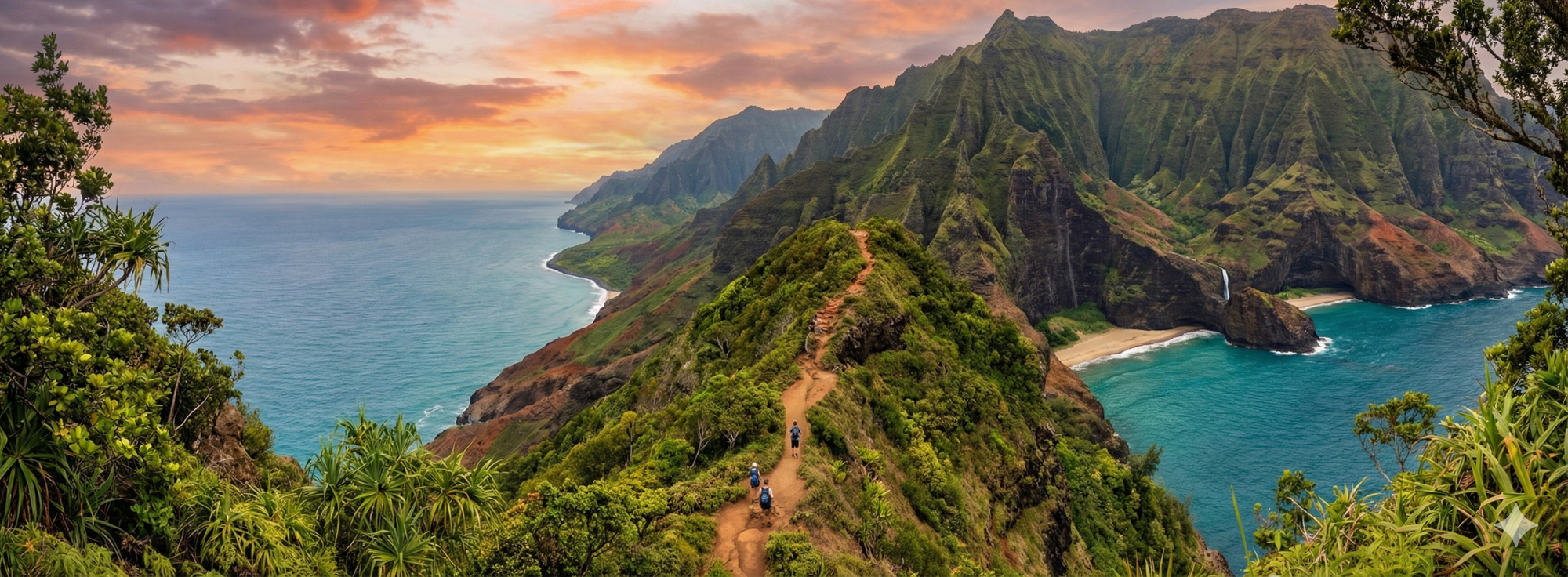
11. Kalalau Trail (Hawaii, USA)
Tracing the Na Pali Coast of Kauai, this trail is a tropical paradise with a bite. It traverses sheer sea cliffs, lush valleys, and roaring streams. The destination, Kalalau Beach, is a remote Eden accessible only by foot or kayak. It is wild, wet, and utterly breathtaking.
- Elevation Gain: ~5,000 ft cumulative (lots of ups and downs)
- Total Distance: 22 miles (35 km) round trip
- Time to Complete: 2 days (overnight permit required)
- Best Time of Year: May to September
- Annual Attempts: Limited by strict permits (~500,000 visit the trailhead/first beach)
- Risk Rating: High. Slippery mud, narrow ledges, and flash floods make it treacherous.
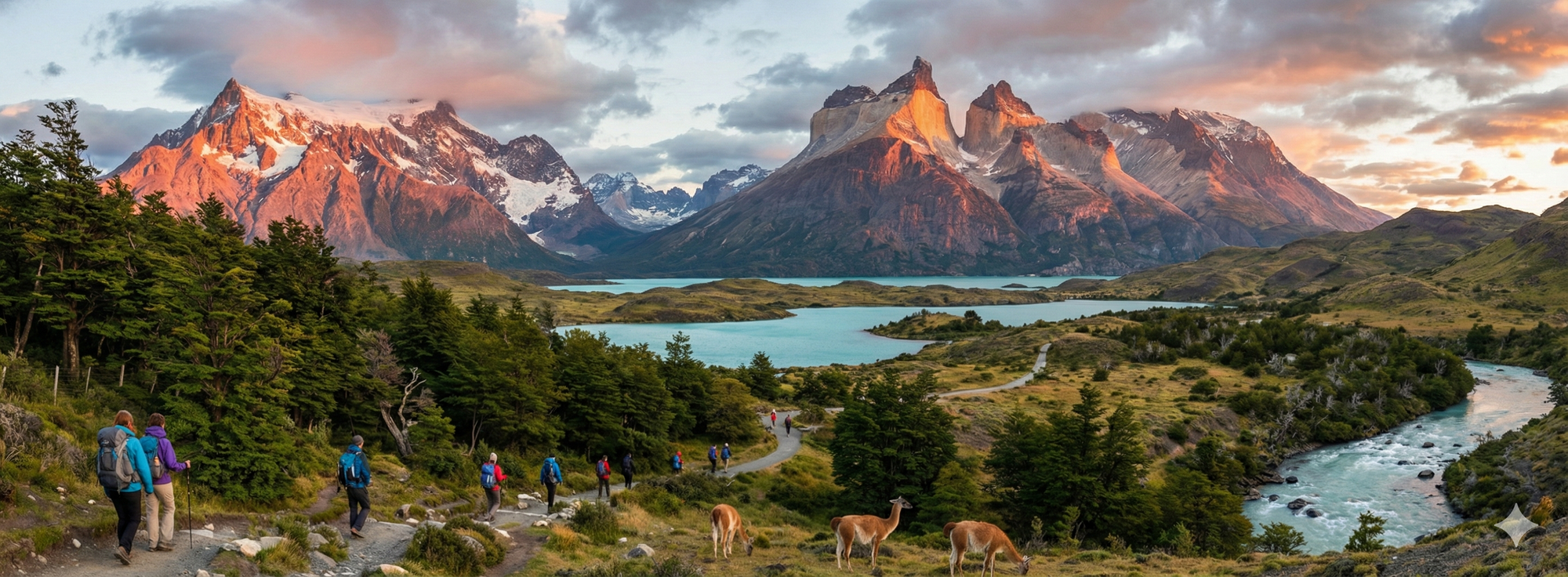
12. W Trek (Patagonia, Chile)
Named for the shape of the route, the "W" trek in Torres del Paine National Park takes you past the iconic granite towers, the massive Grey Glacier, and the Francés Valley. The wind here can knock you over, but the rugged, raw beauty of Patagonia is unlike anywhere else on Earth.
- Elevation Gain: ~9,000 ft cumulative
- Total Distance: 46 miles (74 km)
- Time to Complete: 4–5 days
- Best Time of Year: October to April (Southern Hemisphere Summer)
- Annual Attempts: ~200,000
- Risk Rating: Moderate. Weather is extreme and changes instantly.
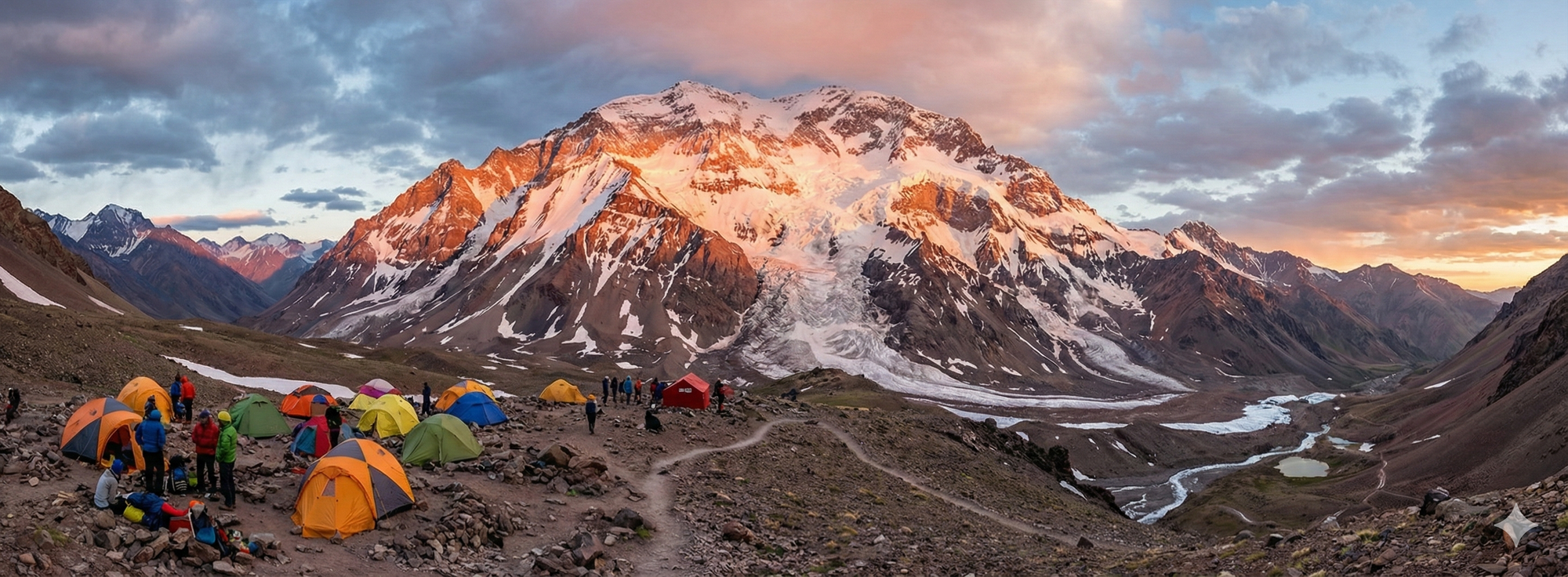
13. Aconcagua (Argentina)
For those looking to go really high without needing ropes, Aconcagua is the prize. At nearly 7,000 meters, it is the highest mountain in the Americas. It’s a "trekking peak," meaning you walk up, but the altitude is ferocious and the weather can be deadly. It’s the first step for many aspiring mountaineers.
- Elevation: 22,837 ft (6,961 m)
- Total Distance: ~40 miles (varies by route)
- Time to Complete: 12–20 days
- Best Time of Year: December to February
- Annual Attempts: ~3,500
- Risk Rating: High. Severe altitude sickness and cold exposure.
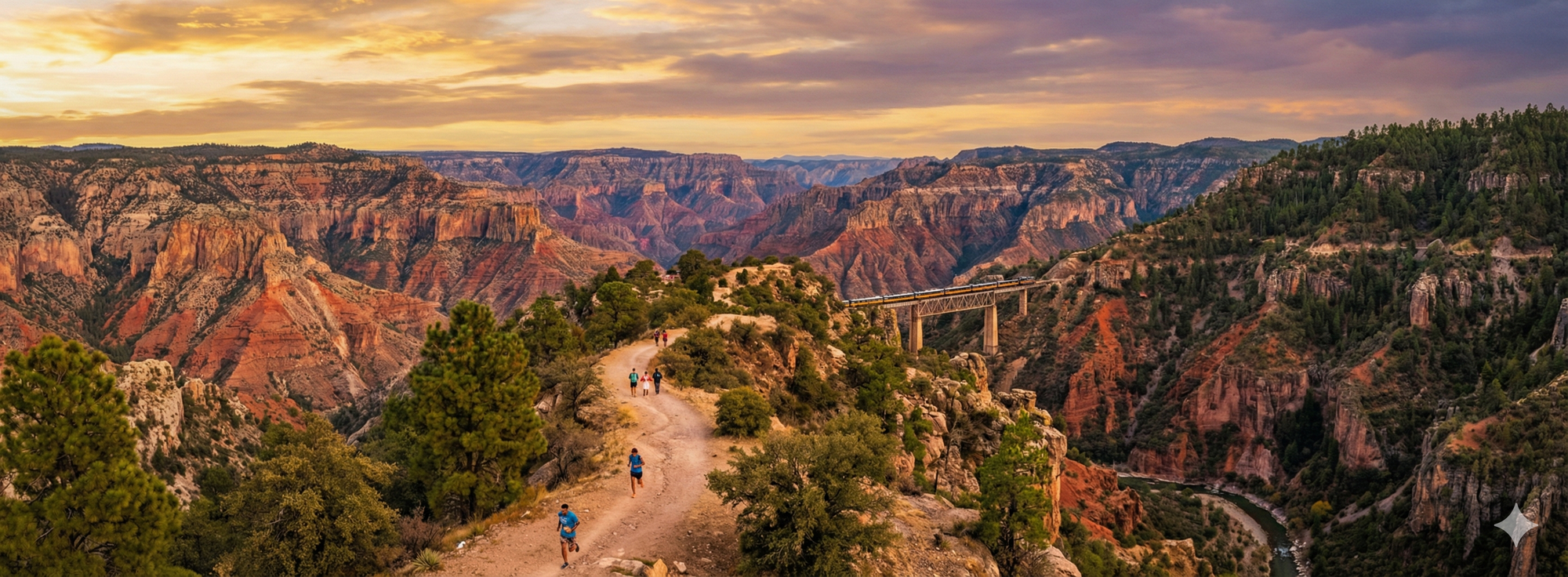
14. Copper Canyon (Mexico)
Deeper and larger than the Grand Canyon, Mexico's Barrancas del Cobre is a network of six distinct canyons. You can ride the famous "Chepe" train, but hiking down into the canyon to meet the Raramuri people—legendary long-distance runners—is the true bucket list experience.
- Depth: Up to 6,168 ft (1,879 m)
- Total Distance: Variable; many multi-day routes.
- Time to Complete: 3–6 days for deep treks
- Best Time of Year: October–November or March–April
- Annual Attempts: Low for deep hiking; mostly train tourists.
- Risk Rating: Moderate. Remote and rugged; guide recommended.
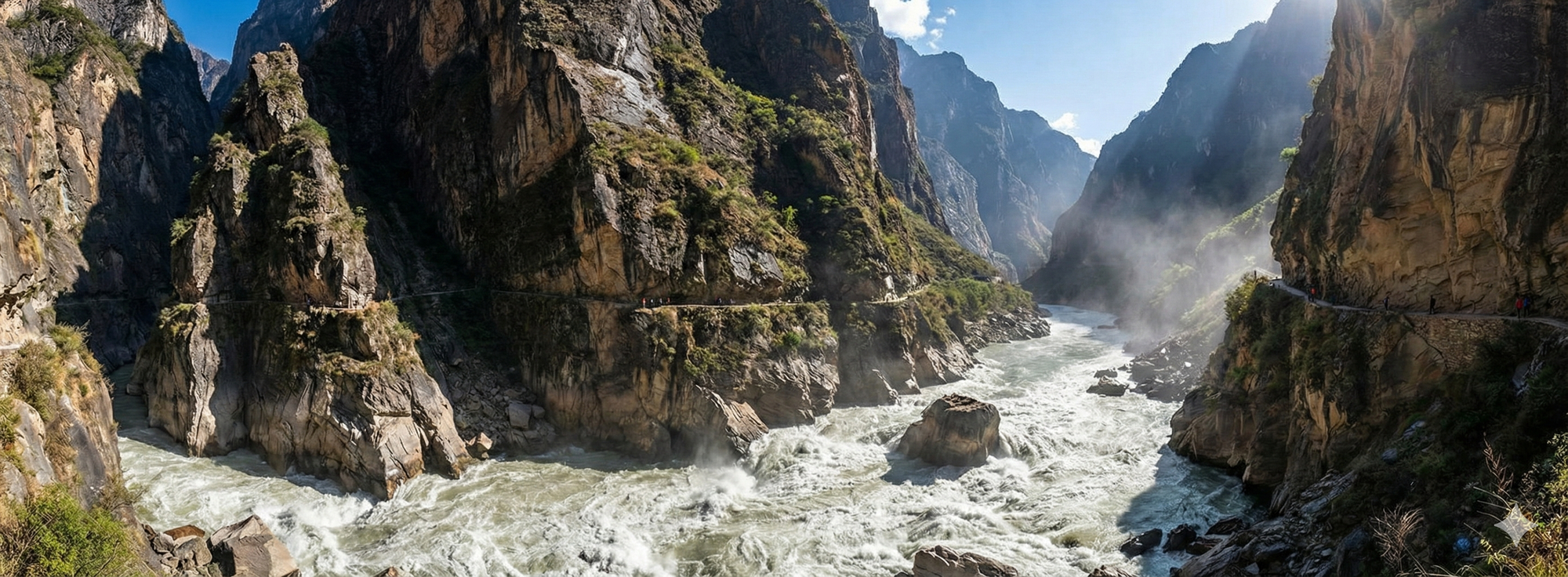
15. Tiger Leaping Gorge (China)
One of the deepest gorges on the planet, where the Yangtze River crashes violently between the Jade Dragon Snow Mountain and Haba Snow Mountain. The "High Trail" offers vertigo-inducing views into the churning water thousands of feet below. Legend says a tiger jumped the gorge to escape a hunter—you'll just be happy to walk it.
- Depth: ~12,400 ft (3,790 m) from peak to river
- Total Distance: ~14 miles (22 km)
- Time to Complete: 2 days
- Best Time of Year: April–May or September–October
- Annual Attempts: Popular backpacker route.
- Risk Rating: Moderate. Steep drop-offs and potential for landslides.
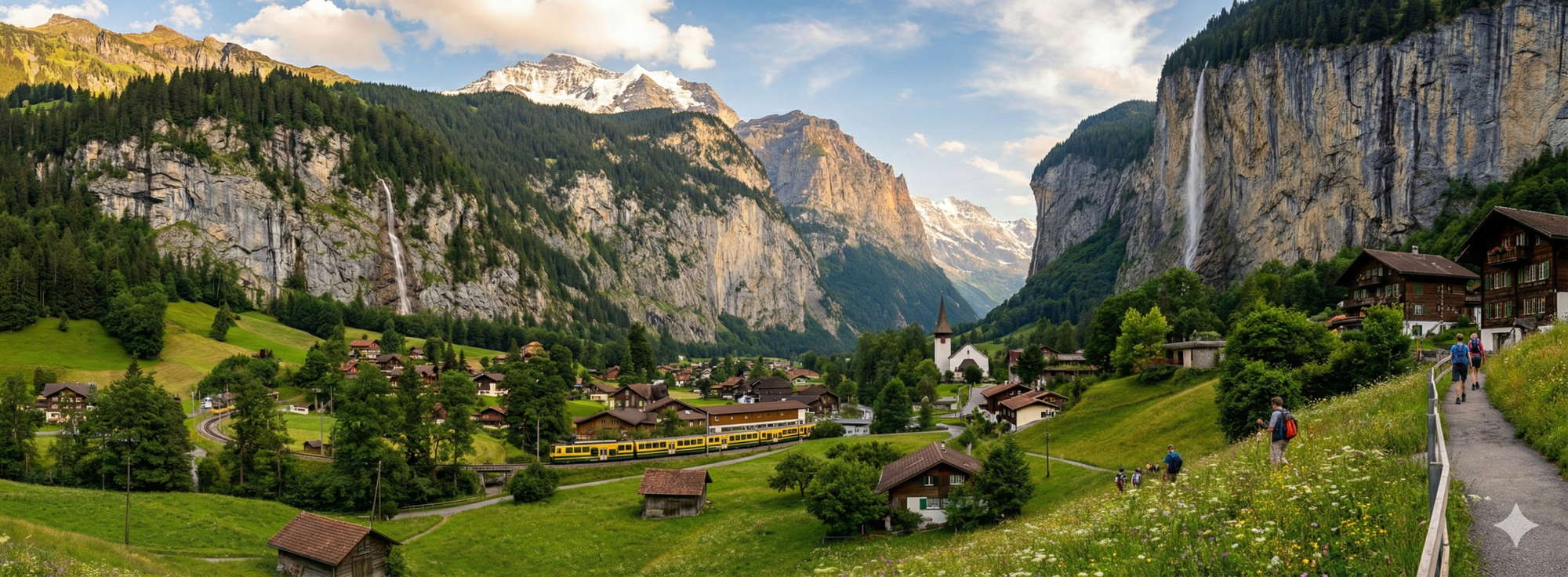
16. Lauterbrunnen Valley (Switzerland)
J.R.R. Tolkien based Rivendell on this valley, and one look tells you why. With 72 waterfalls cascading down sheer limestone cliffs into a lush green valley floor, it is almost too perfect to be real. It is less of a "conquest" and more of a scenic immersion.
- Vertical Walls: ~1,000 ft sheer cliffs
- Total Distance: Variable (valley floor walks to rim hikes)
- Time to Complete: 2–5 hours
- Best Time of Year: May to October
- Annual Attempts: High (very accessible)
- Risk Rating: Low. Easy walking, safe infrastructure.
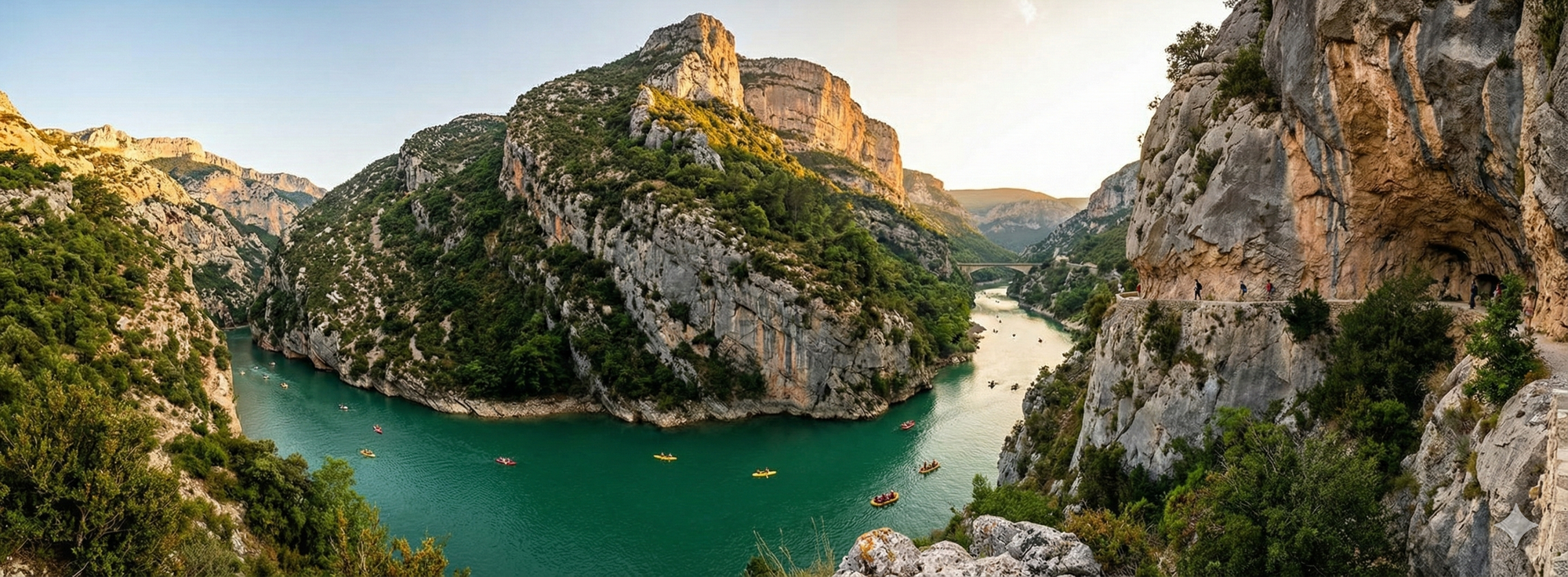
17. Verdon Gorge (France)
Known as the "Grand Canyon of Europe," the Verdon Gorge features turquoise-green water winding through white limestone cliffs. Hiking the Sentier Martel takes you deep into the canyon, through tunnels and along ladders. It is a stunning display of French geology.
- Depth: ~2,300 ft (700 m)
- Total Distance: 9 miles (15 km) for the Martel trail
- Time to Complete: 6–7 hours
- Best Time of Year: Spring or Autumn (Summer is hot)
- Annual Attempts: High
- Risk Rating: Moderate. Tunnels require flashlights; steep stairs.
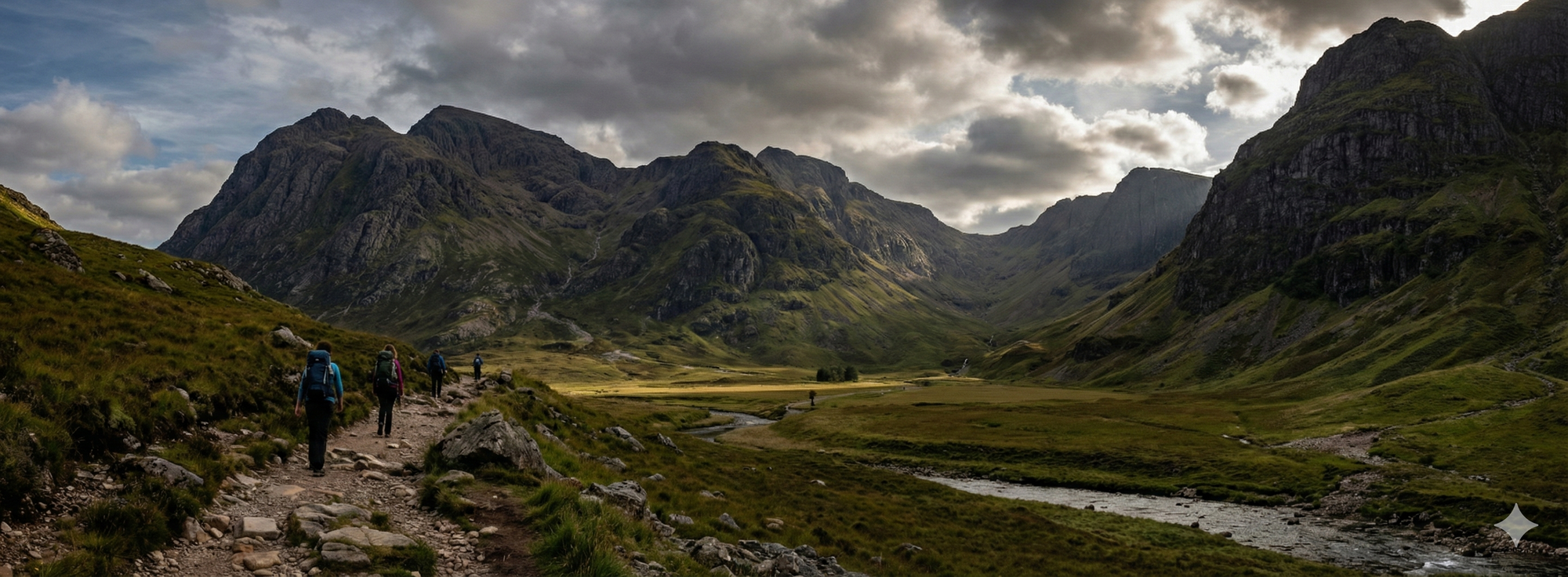
18. Glen Coe / Lost Valley (Scotland)
This isn't just a valley; it’s a mood. Shrouded in mist and history, the Lost Valley (Coire Gabhail) was where the MacDonald clan hid their rustled cattle. The hike is short but rugged, requiring a scramble up a rocky gorge before the landscape opens into a hidden, flat valley floor surrounded by menacing peaks.
- Elevation Gain: ~1,100 ft (335 m)
- Total Distance: 2.5 miles (4 km)
- Time to Complete: 2–3 hours
- Best Time of Year: May to September
- Annual Attempts: Moderate
- Risk Rating: Low/Moderate. Slippery rocks and rapid weather changes.
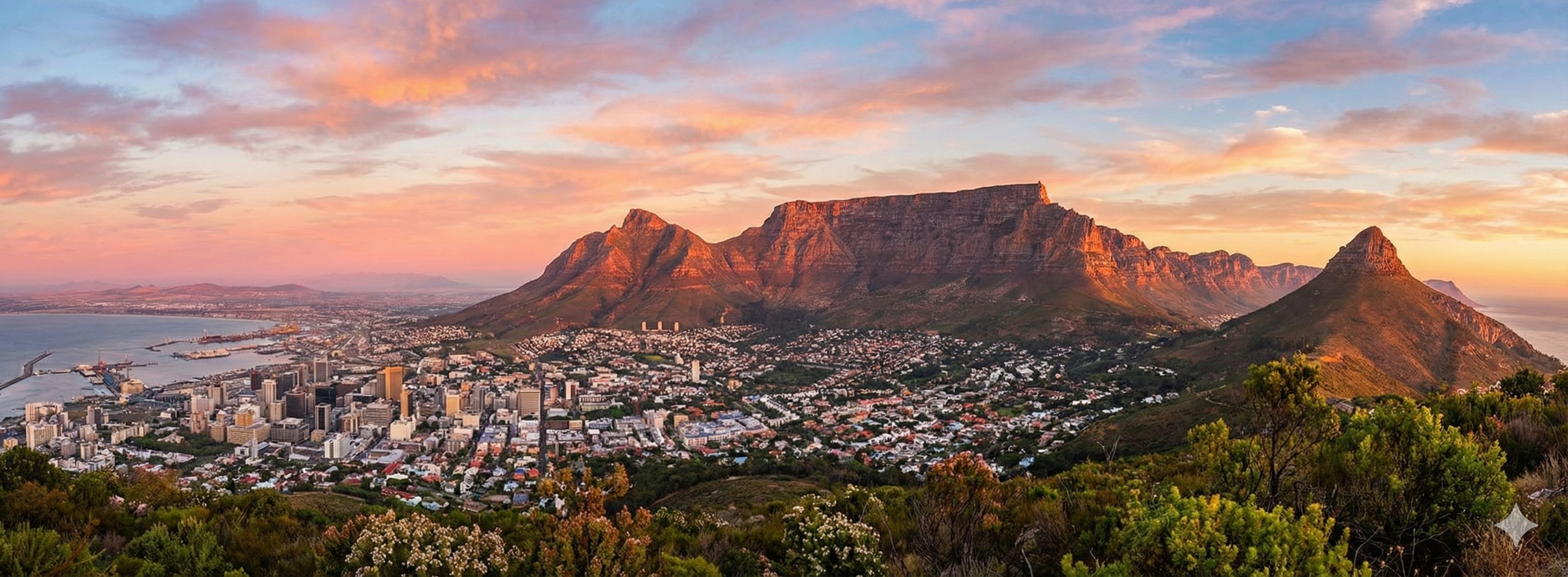
19. Table Mountain (South Africa)
Dominating the skyline of Cape Town, Table Mountain is unique for its flat top. While you can take the cable car, hiking the Platteklip Gorge or Skeleton Gorge is the way to earn your view of the Atlantic and Indian Oceans colliding.
- Elevation Gain: ~3,500 ft (1,085 m)
- Total Distance: 2–4 miles (depending on route)
- Time to Complete: 2–4 hours
- Best Time of Year: October to March
- Annual Attempts: ~1 million visitors (mostly cable car)
- Risk Rating: Moderate. Rapid cloud cover ("Table Cloth") can disorient hikers.
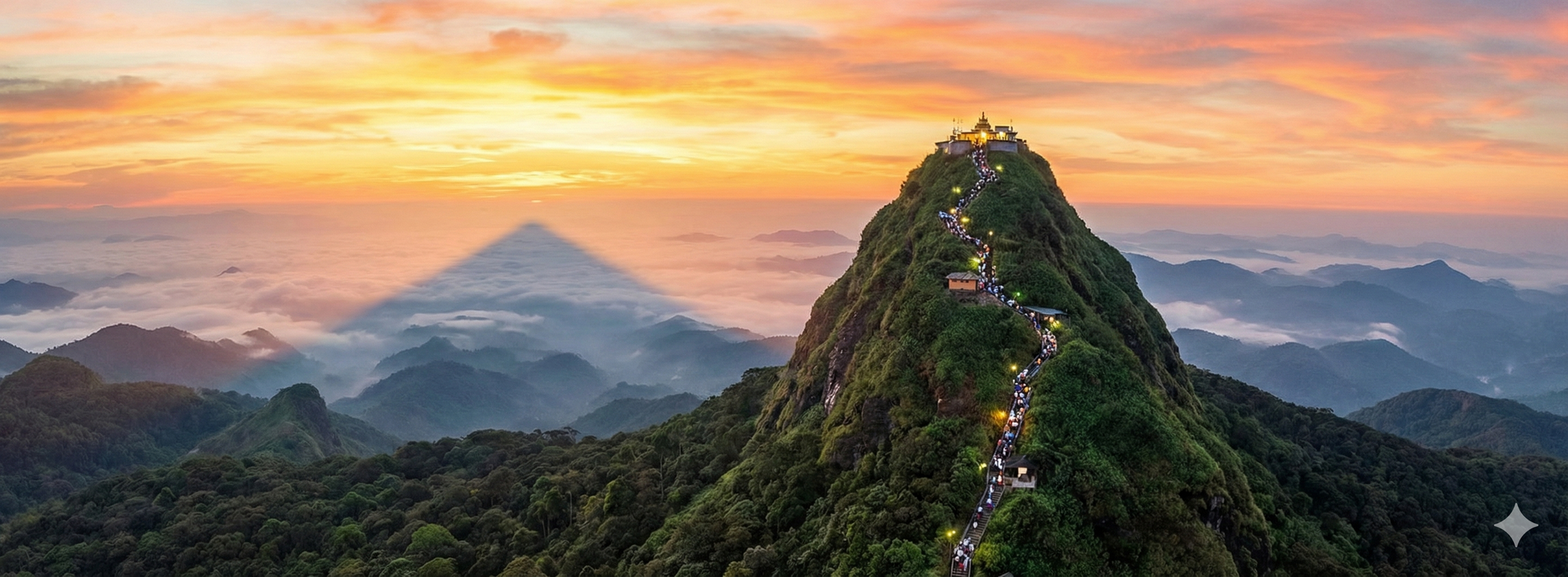
20. Adam's Peak (Sri Lanka)
This conical mountain is sacred to four religions. Pilgrims climb it by night to reach the temple at the summit by dawn. The "shadow of the peak" at sunrise is a perfect pyramid projected onto the clouds. It’s 5,500 steps of burning calves and spiritual determination.
- Elevation Gain: ~3,200 ft (1,000 m) ascent
- Total Distance: ~5 miles (8 km) round trip
- Time to Complete: 5–7 hours
- Best Time of Year: December to May (Pilgrimage season)
- Annual Attempts: High (thousands per night in season)
- Risk Rating: Low. Physically exhausting but structurally safe (stairs).
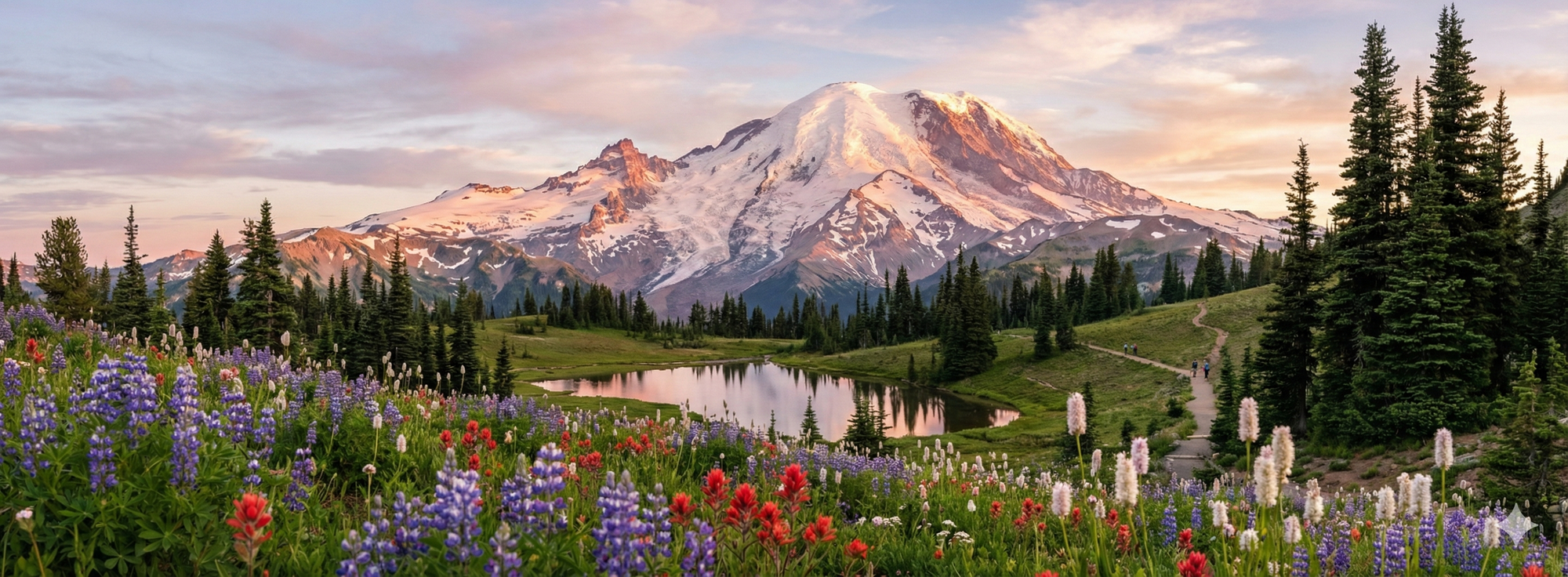
21. Mount Rainier (Washington, USA)
The most glaciated peak in the lower 48 states, Rainier is a beast. It requires technical mountaineering skills—ropes, crampons, and ice axes. It is the training ground for Everest and a serious objective that demands peak fitness. Standing on the crater rim is standing on top of a volcano that watches over the Pacific Northwest.
- Elevation: 14,411 ft (4,392 m)
- Total Distance: 16 miles (25 km) round trip
- Time to Complete: 2–3 days
- Best Time of Year: May to September
- Annual Attempts: ~10,000
- Risk Rating: High. Crevasse falls, avalanches, and weather are serious threats.
How to Prepare: The Outdoor Lifestyle
Checking off this bucket list isn’t just about booking a flight; it’s about building a body and mind capable of the journey. You don’t climb Kilimanjaro on a whim—you train for it.
Fitness & Training: To scale peaks, you need "mountain legs." This means focusing on eccentric leg strength (for the descents) and Zone 2 cardio (for all-day endurance).
- Train Heavy: Hike with a weighted pack (rucking) on weekends. Start with 15lbs and work up to 30lbs.
- Step Up: Find the tallest building or stadium near you and climb stairs. Repeat until it’s boring, then do it again.
- Core Stability: A strong core saves your back during 12-hour days. Planks and deadlifts are your best friends.
Nutrition: Food is fuel. On the trail, you burn 3,000+ calories a day.
- Carb Load: Complex carbs (oats, quinoa, pasta) are essential the night before.
- Hydration: Drink before you are thirsty. At altitude, you lose water just by breathing.
- Recovery: Protein within 30 minutes of finishing a hike helps repair muscle fibers immediately.
Mental Fortitude: As Apurva Kumar notes from his Grand Canyon traverse, "The physical pain is temporary, but the mental negotiation is constant." When your legs burn and the summit looks impossibly far, your mind will try to quit. Practice micro-goal setting: don't look at the top; just look at the next switchback. Celebrate small victories.
"It is not the mountain we conquer, but ourselves." — Sir Edmund Hillary
Live the Lifestyle: Make the outdoors your default. Swap the treadmill for a trail run. Spend your vacations in national parks, not resorts. Acclimatize your body to discomfort—cold showers, early mornings, and rain. The bucket list isn't just a to-do list; it's a way of life.